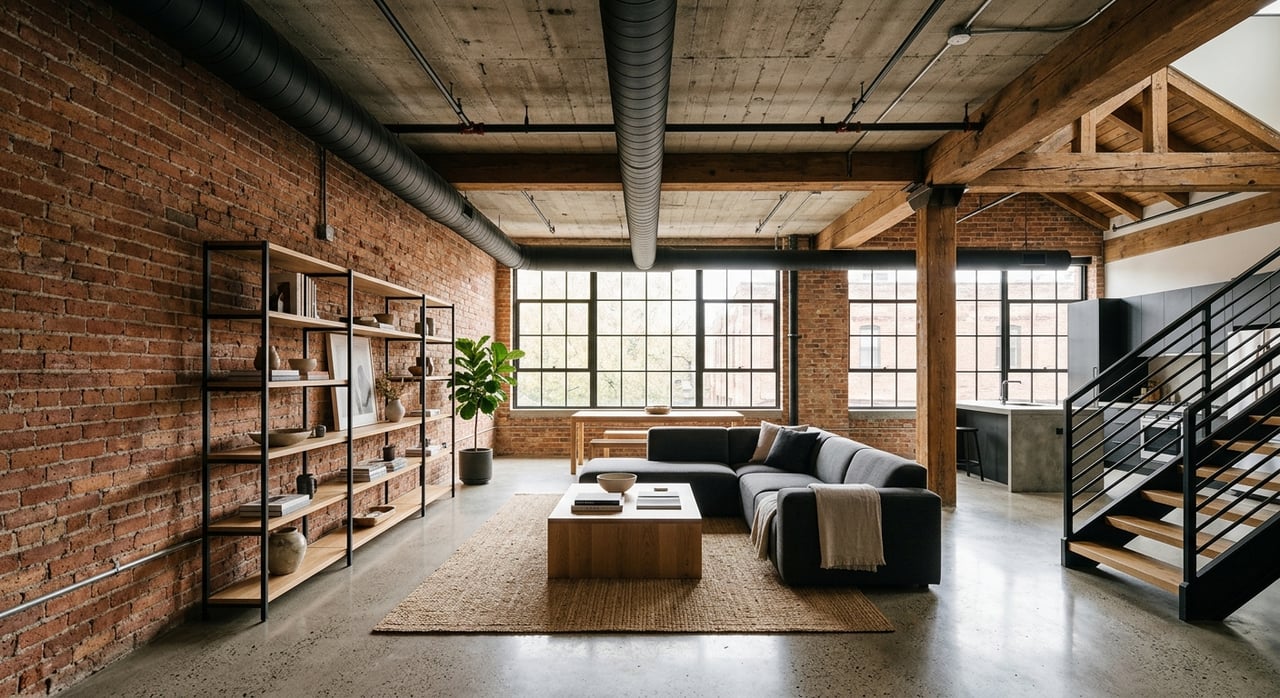
Wondering if a West Town loft is as practical as it is stylish? You are not alone. Loft living can be a great fit if you love open space, industrial character, and an urban setting, but it also comes with real tradeoffs that are easy to overlook during a showing. This guide will help you understand what loft living in West Town actually feels like day to day, so you can decide if the style matches the way you live. Let’s dive in.
Why West Town Works for Lofts
West Town has the kind of built environment that makes loft living feel natural, not forced. Its history is tied to railroad work, factories near the river, and waves of industrial-era development, which helped shape a housing stock very different from detached-home neighborhoods.
That history still shows up in the streetscape today. The Milwaukee Avenue District is known for its intact late-19th- and early-20th-century commercial buildings, with architecture ranging from Italianate to Art Deco. In a setting like that, warehouse and factory conversions make sense both visually and functionally.
The housing data backs that up. According to CMAP’s West Town housing profile, only 13.7% of the housing stock is made up of one-unit structures, while 44.2% consists of 2-to-4-unit buildings and 34.9% consists of 5-to-49-unit buildings. West Town is, at its core, a multi-unit neighborhood.
It is also an older housing market, which supports the loft story. CMAP reports that 42.5% of units were built in 1939 or earlier, with a median year built of 1961. At the same time, 29.2% of units were built in 2000 or later, so you will find both vintage conversions and newer loft-style construction.
What a Loft Usually Means
A loft is usually an open-concept home with few interior walls, often created from a former commercial, warehouse, or manufacturing building. The classic features are part of the appeal: high ceilings, large windows, exposed brick, and visible structural elements.
In West Town, you will usually run into two broad loft categories.
Hard Lofts
A hard loft is the classic industrial conversion. These homes often keep original brick, beams, columns, and unfinished ceilings that reflect the building’s past life.
If you are drawn to authenticity and architectural texture, this is often the version of loft living that feels most exciting. The tradeoff is that the building may offer fewer built-in conveniences than a newer residential development.
Soft Lofts
A soft loft is newer construction that borrows the loft look. You may still get higher ceilings, open layouts, and industrial-inspired finishes, but with more modern systems, more predictable layouts, and often better built-in storage.
For many buyers, the choice is not just about looks. It is about whether you want more character or more convenience in your daily routine.
What Buyers Love About Loft Living
Lofts have staying power because they deliver a look and feel that standard layouts often cannot match. In West Town, that style tends to pair well with the neighborhood’s older building stock and urban setting.
Light and Volume
High ceilings and large windows can make a loft feel brighter and bigger than the square footage suggests. Even a modestly sized unit may feel expansive when the ceiling height and sightlines open everything up.
If you value a home that feels airy, this can be one of the biggest selling points. It is often the first thing buyers notice when they walk in.
Flexible Space
Open floor plans give you room to shape the home around your routine. You can create areas for relaxing, dining, working, or entertaining without being boxed into rigid room assignments.
That flexibility can be especially useful if you work from home or like to change your setup over time. Furniture placement and room dividers often do a lot of the heavy lifting in a loft.
Architectural Character
Exposed brick, timber, beams, columns, and visible ductwork create the industrial style many buyers want. These details can give a home personality that feels harder to find in a more standard condo layout.
For design-minded buyers, that character is not a small perk. It is often the reason to choose a loft in the first place.
The Tradeoffs to Think Through
Lofts can be beautiful, but they are not automatically easy. Before you fall for the look, it helps to think honestly about how you use your space every day.
Privacy and Noise
Because lofts have fewer interior walls, sound can travel more easily inside the unit. In older or converted buildings, insulation may also be less robust than what some buyers expect in newer construction.
If you need quiet separation between living, sleeping, and work areas, this can feel like a real compromise. The more people sharing the space, the more important that issue becomes.
Storage Limits
Many lofts do not have the closet space or tucked-away storage you would find in a conventional condo or house. The open design looks clean, but it can leave less room to hide everyday items.
That does not mean a loft cannot work. It just means you may need to be more intentional about furniture, shelving, and organization.
Utilities and Efficiency
Older loft buildings and conversions can be less energy efficient. High ceilings, large windows, and older construction can all affect heating and cooling costs.
This is one of those tradeoffs that may not stand out during a quick tour. It matters more once you are living in the space through a Chicago winter and summer.
Fewer Built-In Amenities
Hard lofts, in particular, may offer fewer amenities than newer condo buildings. That is partly because many were not originally designed for residential use.
If you care most about building services and turnkey convenience, a newer loft-style building may feel like a better fit. If you care more about character, you may be happy to give some of that up.
Loft vs. Traditional Condo vs. House
If you are deciding between property types in West Town, the best choice often comes down to how you want to live, not just what looks best online.
| Home Type | Typical Strengths | Common Tradeoffs |
|---|---|---|
| Loft | Open layout, high ceilings, large windows, industrial character | Less privacy, less storage, possible noise and utility challenges |
| Traditional condo | More defined rooms, more standard storage, often more predictable layouts | Usually less visual drama and less architectural character |
| Single-family home | More privacy, more space, more separation between rooms | More maintenance responsibility and fewer options in West Town |
A traditional condo may feel easier if you want defined rooms and more built-in function. A loft usually offers more visual impact and flexibility, but you may give up storage and privacy to get it.
A single-family home is a very different experience. In general, a house offers more room separation, more privacy, and more freedom to customize, but it also comes with more owner responsibility for upkeep. In West Town, that option is simply less common, since one-unit structures make up just 13.7% of the housing stock.
Who Loft Living Fits Best
Loft living tends to work best when your lifestyle lines up with the layout. In West Town, that match is easier to see when you look at the neighborhood’s household patterns.
CMAP reports that 43.6% of household heads in West Town are between ages 25 and 34. Renter households are also mostly one- or two-person households, at 38.1% and 43.3%, which helps explain why open-concept homes can feel so well suited to the area.
Loft Living May Be a Good Fit If You:
- Prefer open space over lots of separate rooms
- Love exposed brick, beams, and industrial details
- Want natural light and tall ceilings
- Can organize your home with furniture and flexible zones
- Are comfortable in a multi-unit building setting
Loft Living May Be Harder If You:
- Need privacy for multiple occupants or frequent guests
- Want generous closets and abundant built-in storage
- Prefer a quiet, room-by-room layout
- Prioritize the newest systems and the lowest possible utility costs
- Want a more traditional house-like setup
West Town Pricing Adds Context
Style is only part of the decision. Cost matters too, especially in a neighborhood where the market carries a premium.
CMAP reports that West Town’s 2022 median residential sales price was $550,000, compared with $323,500 citywide. The 2023 median gross rent was $1,986, compared with $1,380 citywide. That does not mean every loft is priced the same, but it does show that West Town commands strong demand.
For you as a buyer, that means the right loft should do more than photograph well. It should fit your actual routine, because you are paying for both the location and the lifestyle.
How to Decide Before You Buy
The smartest way to shop for a loft is to test the lifestyle, not just the finishes. A beautiful brick wall does not tell you how the space will function on a weekday morning or a work-from-home afternoon.
As you tour West Town lofts, pay attention to the basics:
- How private does the sleeping area feel?
- Where will your everyday storage go?
- Does the layout support your work and entertaining habits?
- How much natural light do you get throughout the unit?
- Does the building offer the level of convenience you want?
It also helps to compare hard lofts and soft lofts side by side. The more clearly you understand your non-negotiables, the easier it becomes to choose between charm and convenience.
At TGI Realty, we believe the best purchase decisions come from matching a property to your real life, not just the listing photos. If you are weighing loft options in West Town, TGI Realty can help you compare layouts, building types, and long-term fit with clear, practical guidance.
FAQs
What makes loft living in West Town different from other Chicago homes?
- West Town has an older, multi-unit housing stock and a strong industrial history, which makes both true loft conversions and newer loft-style buildings a natural fit in the neighborhood.
What is the difference between a hard loft and a soft loft in West Town?
- A hard loft is typically a converted industrial or commercial building with original features like exposed brick and beams, while a soft loft is newer construction that recreates the loft style with more modern systems and layouts.
Are West Town lofts good for buyers who work from home?
- They can be, especially if you like flexible open space, but you should think carefully about privacy, noise, and how easily you can create distinct work and living zones.
Do lofts in West Town usually have less storage?
- Yes, many lofts have fewer closets and less built-in storage than traditional condos or houses, so organization and furniture choices matter more.
Are single-family homes common in West Town?
- No. CMAP reports that only 13.7% of West Town’s housing stock is made up of one-unit structures, so buyers looking for a house-like experience usually have fewer options than buyers open to multi-unit living.
Is West Town a higher-priced Chicago neighborhood?
- West Town carries a premium compared with the city overall, with a 2022 median residential sales price of $550,000 and a 2023 median gross rent of $1,986 according to CMAP.