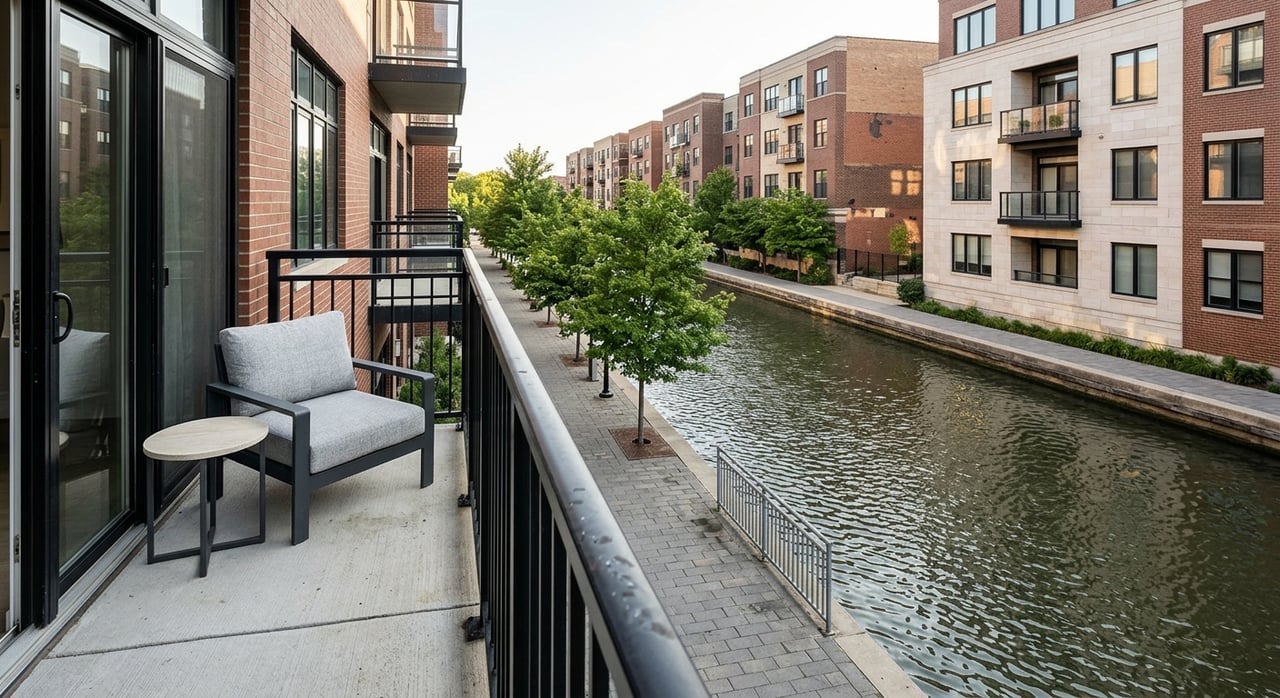
What does it really feel like to live near one of Chicago’s most recognizable waterfront spaces? If you are considering River North, that question matters because the neighborhood’s appeal is tied closely to the energy, views, and convenience of the Chicago Riverwalk. Understanding how that connection works can help you decide whether this fast-moving, highly walkable pocket of downtown fits your lifestyle. Let’s dive in.
River North and the Riverwalk Connection
First, it helps to clear up a common point of confusion. The Chicago Riverwalk is not actually in River North. It runs along the south bank of the Chicago River, while River North sits just across the river on the Near North Side.
That said, River North residents enjoy some of the easiest access to the Riverwalk in the city. In daily life, that means the river often feels like an extension of the neighborhood, even though it is technically across the water. For many buyers and renters, that proximity is a big part of the draw.
What the Riverwalk Adds to Daily Life
The Riverwalk is more than a path with a nice view. City materials describe it as a 1.25-mile promenade built as a series of distinct riverfront spaces, with outdoor seating, restaurants, a kayak information center, a river-recreation dock, a water plaza, floating gardens, and an accessible walkway and public lawn.
That design changes how you use the area. Instead of just walking through it, you can stop for coffee, sit by the water, take in public art, or make the river part of your normal routine. It feels like an urban amenity built for both movement and lingering.
The scale matters too. The Riverwalk draws more than 1.5 million visitors annually, so you should expect activity, foot traffic, and a steady stream of people enjoying the waterfront. If you like lively public spaces, that can be a plus.
Water Views and Outdoor Time
One of the best parts of living in River North is how easy it is to access downtown water views without leaving the neighborhood rhythm behind. Along the river, you get striking perspectives on landmarks like Marina Towers, the Wrigley Building, Tribune Tower, and the Merchandise Mart.
The Riverwalk also supports different kinds of outdoor time. Some days that may look like a casual evening stroll. Other days, it may mean kayaking, joining a river tour, fishing, or spending time bird-watching along the water.
For many residents, that flexibility is the real value. You can keep things simple with a short walk after work, or turn the riverfront into a bigger weekend plan. Either way, the setting feels distinctly downtown Chicago.
Public Art Shapes the Experience
River North has long been associated with galleries, studios, and adaptive-reuse buildings, and that creative identity carries over to the riverfront experience. One standout example is Art on theMART, which turns the river-facing facade of theMART into a large-scale nighttime visual display.
This is part of what makes the area feel different from a typical downtown neighborhood. The riverfront is not just scenic. It layers architecture, public art, and constant city movement into one experience.
Dining and Nightlife Near the Water
If you picture an evening that starts with dinner, continues with a walk by the river, and ends with drinks nearby, River North makes that easy. The neighborhood is widely known for its restaurant and nightlife scene, and the Riverwalk adds another layer with seasonal spots and casual waterfront gathering areas.
Riverwalk venues include City Winery’s wine garden, Tiny Tapp, Island Party Hut, The Northman Beer & Cider Garden, and the Community Marketplace. Nearby in River North, the dining and nightlife mix ranges from waterfront restaurants and steakhouses to cocktail bars, music spots, and late-night venues.
That creates a strong social rhythm, especially after work and on weekends. For some people, that energy is exactly the point. For others, it is important to know that this part of Chicago tends to feel active, tourism-oriented, and busy well into the evening.
What the Neighborhood Feels Like
River North is often described as ultra-urban, and that is the right expectation to bring. This is a neighborhood shaped by density, restaurants, nightlife, galleries, and landmark architecture. Former warehouse buildings and adaptive-reuse spaces add to the character.
If you want a low-activity environment with limited foot traffic, River North may not be the best match. But if you want walkability, visual energy, and easy access to dining, entertainment, and public space, it stands out for exactly those reasons.
Best Fit for Riverwalk-Adjacent Living
River North tends to work well for people who value convenience and activity in equal measure. You may be a strong fit if you want:
- Easy access to downtown restaurants and nightlife
- A walkable routine with riverfront public space nearby
- Strong CTA and regional transit connections
- A neighborhood that feels active throughout the day and evening
- A home base that supports car-light living
For many condo buyers, renters, and downsizers, that combination is hard to beat. The Riverwalk becomes part of the lifestyle, even if your address is north of the river.
Getting Around Without a Car
One of River North’s biggest strengths is mobility. The neighborhood is served by the Red and Brown lines, with stops at Clark and Division, Grand, Chicago, and Merchandise Mart. CTA also notes that Red Line service runs 24 hours a day, which is especially useful if your schedule extends beyond standard business hours.
The Chicago Red Line station at 800 N. State St. connects to bus routes, while the Merchandise Mart station at 350 N. Wells St. serves the Brown and Purple lines and offers free transfers between lines. In practical terms, that gives you strong options for commuting, meeting friends, or navigating downtown without relying on a car.
Regional rail access adds another layer of convenience. Ogilvie Transportation Center at 500 W. Madison and Union Station at 210 S. Canal are both described as short walks from the western end of the Riverwalk, and water taxi service can also connect Ogilvie and the Riverwalk.
For many residents, that makes car-light living realistic. If your daily routine centers on downtown, nearby neighborhoods, or commuter rail access, River North supports that lifestyle well.
The Seasonal Rhythm of the Riverwalk
Like many outdoor amenities in Chicago, the Riverwalk changes with the weather. Warm months bring the busiest season, with boat cruises typically running from May through October and more activity around kayaking, outdoor dining, and public gathering spaces.
Still, the riverfront does not go completely quiet in colder weather. Some venues extend the season with heated domes in winter, which helps the area maintain at least some social energy beyond peak summer months.
That means the Riverwalk is seasonal, but not one-note. You will likely get the most use out of it in spring, summer, and early fall, while still enjoying parts of the atmosphere during winter.
What Buyers and Renters Should Keep in Mind
If you are considering a condo or rental in River North, it helps to think beyond square footage alone. In this neighborhood, the surrounding experience matters. Access to the river, transit options, and your comfort level with a lively setting can shape how happy you are with the move.
A few practical questions to ask yourself include:
- Do you want quick access to the Riverwalk for walking or outdoor time?
- Are you comfortable with an active nightlife environment?
- Would you benefit from 24-hour train access?
- Do you prefer a neighborhood where dining and entertainment are part of daily life?
- Are you looking for a home that supports a car-light routine?
These are the kinds of lifestyle details that can make a River North move feel right. They also help separate a neighborhood that looks good on paper from one that truly fits how you want to live.
If you are weighing your options in River North, it helps to work with a team that understands both downtown condo living and the practical details that shape day-to-day ownership or leasing. TGI Realty offers hands-on guidance for buyers, renters, sellers, and investors looking for clear advice in Chicago neighborhoods.
FAQs
Is the Chicago Riverwalk located in River North?
- No. The Riverwalk is on the south bank of the Chicago River, while River North is north of the river. River North’s appeal comes from its close access to the Riverwalk rather than direct frontage.
Is River North a good fit for quiet city living?
- Usually not if you want a low-activity setting. River North is known for nightlife, restaurants, heavy foot traffic, and a busy downtown feel.
Can you live in River North without a car?
- Often, yes. CTA access, 24-hour Red Line service, nearby Metra terminals, and water taxi connections make car-light living realistic for many daily routines.
What can you do along the Chicago Riverwalk near River North?
- You can walk, dine outdoors, visit seasonal venues, kayak, take boat tours, fish, bird-watch, and enjoy views of well-known downtown architecture.
Is the Riverwalk only active in summer near River North?
- No, but summer and early fall are the busiest seasons. Some activity continues in colder months, including venues that extend the season with heated winter setups.
Who is most likely to enjoy living near the Riverwalk in River North?
- Buyers and renters who value walkability, transit access, dining, nightlife, and water-adjacent public space are typically the best fit for this lifestyle.