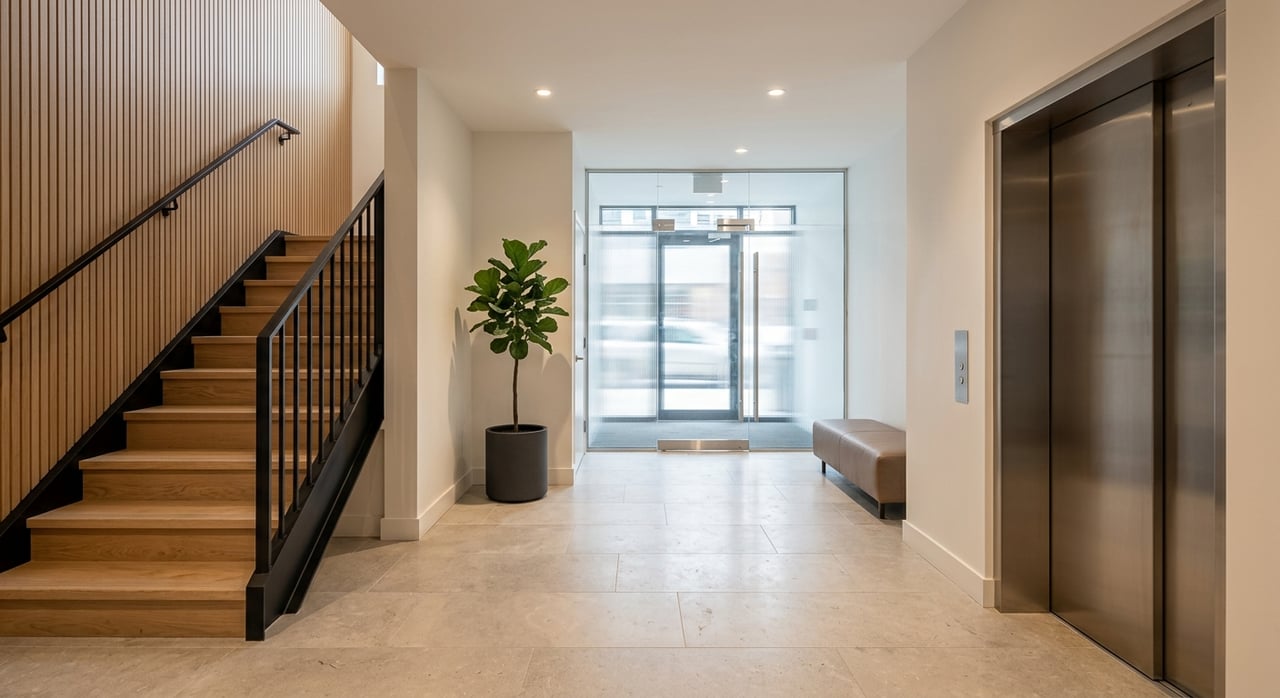
Choosing between a walk-up and an elevator condo in West Town can feel simple at first, until you start weighing your daily routine, monthly costs, and long-term plans. You may love the charm of a vintage building, but also want easier access, garage parking, or a more turnkey setup. The good news is that West Town offers both, and each option can make sense depending on how you live. Here’s how to think through the key tradeoffs so you can buy with more confidence.
Why This Choice Matters in West Town
West Town is one of Chicago’s official community areas just northwest of the Loop, and its housing mix gives buyers a wide range of condo options. According to DePaul University’s Institute for Housing Studies, 30.3% of the area’s housing stock is condominiums, with another 32.2% in two-to-four unit buildings and 28.5% in buildings with five or more units.
That mix helps explain why your condo search in West Town may include everything from smaller vintage walk-ups to boutique elevator buildings and newer mid-rises. It is also a very urban market, with Redfin reporting 117 condos for sale, a median listing price of $649,000, an average of 34 days on market, and 6 offers on average. West Town’s Walk Score of 93 adds another layer, since many buyers here value convenience and neighborhood access.
What Defines a Walk-Up Condo
In Chicago, common housing types include two-flats, three-flats, four-flats, six-flats, and courtyard buildings. Chicago REALTOR® notes that courtyard buildings are typically walk-ups with no more than four floors, and that pattern shows up often in West Town.
In practical terms, a West Town walk-up usually means a smaller building without an elevator. These homes often offer vintage character, boutique scale, and simpler shared spaces. A current example on West Ohio is a historic vintage walk-up listed at $310,000 with $165 per month HOA dues that include water, insurance, and scavenger.
What Defines an Elevator Condo
West Town elevator condos are often found in boutique mid-rise or newer-construction buildings. Recent examples include an eight-unit boutique elevator building with a $350 monthly HOA and garage parking, plus a 32-unit elevator building on West Grand with $323 monthly assessments.
These buildings may include features like secured entry, storage cages, indoor bike storage, a dog run, heated storage, and garage parking. Not every elevator building offers the same package, but the general pattern is more convenience, more common features, and a different kind of day-to-day experience.
Monthly Costs: More Than Just Elevator vs Stairs
Many buyers assume walk-ups always mean low dues and elevator buildings always mean high dues. In reality, the monthly number depends on much more than whether the building has an elevator.
Under Illinois condo law, boards must prepare annual budgets, levy and collect assessments, maintain common elements, and obtain insurance. The law also allows for reserves and requires reasonable reserves for capital expenditures and deferred maintenance. That means HOA dues can reflect the building’s broader financial picture, not just one feature.
In West Town, dues may be shaped by several factors:
- Reserve funding
- Building insurance
- Exterior maintenance needs
- Building size
- Parking
- Utilities included in the assessment
- Storage and bike areas
- Amenity level
A walk-up may have lower dues because it has fewer shared systems and services. An elevator building may cost more each month, but that amount could also cover features you use often, like garage access, secured entry, or additional storage.
Lifestyle Fit: What Daily Living Feels Like
The right condo is not only about price. It is also about how the building fits your routine.
Walk-Up Condo Lifestyle
A walk-up can be a strong match if you value charm, lower recurring costs, and a smaller-building feel. These buildings may feel more private and less institutional, especially in vintage or boutique settings.
At the same time, stairs are part of everyday life. That matters not only when you move in, but also when you bring home groceries, receive packages, carry laundry, or host guests. If your unit is on an upper floor, the stair count can become a real quality-of-life factor.
Elevator Condo Lifestyle
An elevator building may suit you better if convenience is a top priority. Easier trips from the street or garage to your unit can make daily life smoother, especially if you travel often, want easier package handling, or prefer more seamless access to storage and common areas.
For some buyers, the appeal is less about luxury and more about simplicity. A secured entry, bike room, storage cage, or garage space can remove small frictions from city living, and those details can add up over time.
Accessibility: Verify the Full Route
If easier access matters to you, it is important not to assume that an elevator alone solves everything. The research shows that the ADA generally does not apply to individually owned private condos and apartments, while the Fair Housing Act requires certain covered multifamily dwellings first occupied after March 13, 1991 to include accessibility features.
The practical takeaway is simple: verify the full path you would actually use. That means checking the route from the sidewalk, lobby, and garage to the unit, along with access to storage, roof decks, mail areas, and other common spaces.
A few details to confirm include:
- Exact stair count from the street to the unit
- Exact stair count from the garage to the unit
- Whether the elevator reaches storage and common amenities
- Whether there are level entries or unexpected steps along the route
Resale: Different Buildings, Different Buyer Pools
Both walk-ups and elevator condos can resell well in West Town, but they often appeal to different buyers. That matters because resale is not only about your unit’s finishes or price point. It is also about how broad the buyer pool may be when you decide to sell.
Based on the neighborhood’s housing mix, current listing features, and accessibility considerations in the research, walk-ups often attract buyers focused on character and lower recurring costs. Elevator buildings often draw downsizers, buyers with mobility concerns, and shoppers who want garage access or a more turnkey urban setup.
Neither path is automatically better. The key is understanding who your future buyer may be and whether your building’s features support lasting demand.
A Simple West Town Comparison
| Factor | Walk-Up Condo | Elevator Condo |
|---|---|---|
| Building style | Often vintage, courtyard, or boutique | Often boutique mid-rise or newer construction |
| Daily access | Stairs required | Easier access to upper floors |
| HOA dues | Can be simpler or lower, depending on building | May be higher, depending on services and systems |
| Amenities | Usually fewer shared amenities | More likely to include storage, bike rooms, secured entry, or garage parking |
| Character | Often strong vintage charm | Often more modern or turnkey |
| Buyer appeal | Often value-driven and character-focused | Often convenience-focused |
Questions to Ask Before You Buy
Before you choose a West Town walk-up or elevator condo, slow down and review the details that shape ownership beyond the listing photos.
Ask for and review:
- The HOA budget
- Reserve information or reserve study, if available
- Any recent or planned special assessments
- What the monthly dues specifically cover
- Stair count from all likely entry points
- Storage options, bike parking, and package handling
- Parking details, if applicable
These questions can help you compare two condos more fairly. A lower monthly due may look attractive at first, but it is only one piece of the ownership picture.
How to Decide Which One Fits You
If you are torn between a walk-up and an elevator condo in West Town, try to picture not just the purchase, but the next three to seven years of living there. Think about your routine, your budget, your comfort with stairs, and whether you care more about charm or convenience.
A walk-up may be the better fit if you want character, boutique scale, and potentially simpler carrying costs. An elevator building may be the better fit if you want easier access, more building features, and a layout that feels more turnkey from day one.
In a neighborhood as active and walkable as West Town, there is rarely one right answer for everyone. The best choice is the one that supports how you actually live now, and how you may want to live later.
If you want help comparing West Town condo options with a clear eye on monthly costs, building setup, and long-term fit, TGI Realty can help you sort through the tradeoffs and move forward with confidence.
FAQs
What is the difference between a walk-up condo and an elevator condo in West Town?
- A walk-up condo is typically in a smaller building without an elevator, while an elevator condo is in a building with elevator access and often more shared features like secured entry, storage, or garage parking.
Are West Town walk-up condos always cheaper than elevator condos?
- Not always. Walk-ups may have lower monthly dues in some cases, but total cost depends on the unit price, the building’s budget, reserves, insurance, parking, utilities included, and overall maintenance needs.
Do elevator condos in West Town always have better amenities?
- Elevator buildings often include more amenities, but not every building offers the same features. You should confirm what is actually included, such as storage, bike parking, garage access, or package handling.
Are West Town elevator condos automatically more accessible?
- No. An elevator can help, but you should verify the full route from the street or garage to the unit and common areas, since the actual path may still include steps or other limitations.
Which condo type has better resale potential in West Town?
- Both can resell well, but they often attract different buyers. Walk-ups may appeal more to buyers seeking character and lower recurring costs, while elevator buildings may appeal more to buyers prioritizing convenience and easier access.